
· Solveion · Perspectives · 4 min read
Why AI feels more productive than it is
The clearest finding from a year of AI productivity research is a gap: people feel dramatically faster and measure barely faster at all. What that feeling is made of, and how to tell which side of the gap you are on.
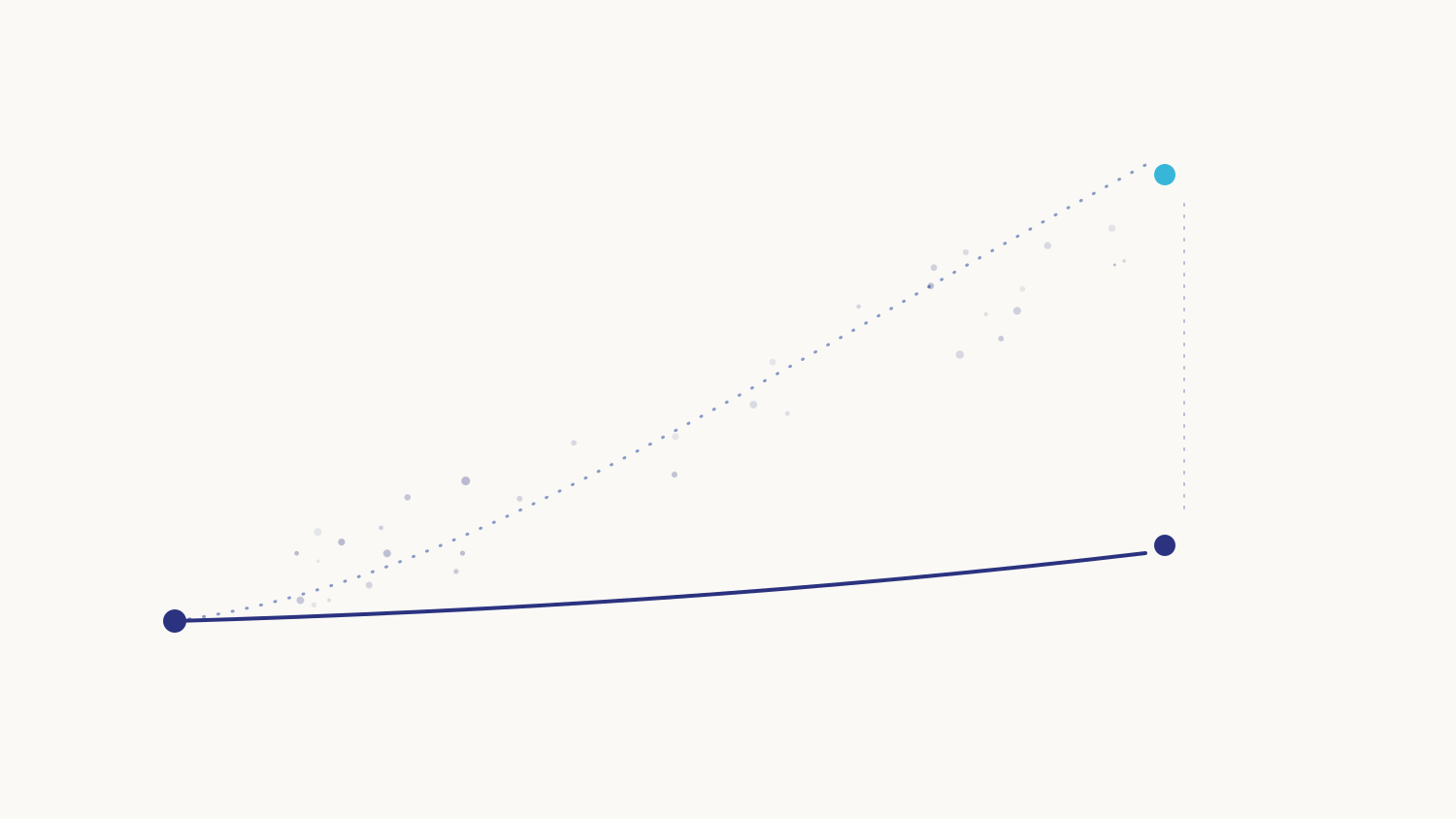
Ask anyone using AI tools daily whether they’re more productive and the answer is immediate: obviously. Ask their output the same question and the answer gets complicated.
Last year, the research organization METR ran a controlled trial with experienced open-source developers working on codebases they knew well. With AI assistance, the developers estimated they had been sped up by about 20 percent. Measured against the clock, they were 19 percent slower. Not slightly mistaken about the size of the benefit. Wrong about its direction, by nearly 40 points.
That study has its limits, and METR has been refining the design since. But the gap it exposed keeps showing up everywhere someone bothers to measure. The developer-intelligence platform DX analyzed 121,000 engineers this year: 93 percent now use AI tools, yet pull-request throughput rose about 10 percent. Stack Overflow’s latest survey found two thirds of developers losing time to AI code that is almost right. And among enterprises, 42 percent abandoned most of their AI initiatives last year, up from 17 percent the year before.
None of this says AI doesn’t work. It says something more uncomfortable: the feeling of productivity has come loose from the fact of it.
What the feeling is made of
The feeling is not a delusion. It’s made of real sensations, and it’s worth naming them.
AI collapsed the cost of starting. A website that took a weekend now takes an evening. A prototype that needed a developer now needs a prompt. So people start more things: more side projects, more drafts, more half-configured tools. Starting things produces a genuine sense of momentum. What hasn’t changed is the cost of finishing: the deploy that has to survive real users, the tenth revision, the maintenance, the part where someone else depends on it. Starting is now nearly free, finishing costs what it always did, and the difference piles up as abandoned repositories and parked domains.
AI also produces output constantly. Watching paragraphs and functions appear on demand feels like work being done, the way watching a progress bar feels like progress. But much of the effort hasn’t disappeared; it has relocated, from writing to reviewing, from making to fixing, from doing the task to supervising the thing doing the task. Supervision is real work. It just doesn’t feel like effort in the moment, which is exactly why the speed-up feels larger than it measures.
And all of this happens on a screen. The tools that were supposed to hand us time back have, for many people, quietly added hours of it: generating, regenerating, tweaking prompts, evaluating options. Activity expands to fill the capacity available, and AI added a lot of capacity for activity.
Finishing is the measurement
We’d offer one reframe: productivity was never the feeling of moving fast. It’s finished work that someone else can use. A shipped feature. A report that changed a decision. A task that no longer needs doing by hand.
By that definition, the question to ask, of yourself or of a team, is not are we using AI? or even are we faster? It’s blunt and slightly unwelcome: what got finished last month that wouldn’t have been finished without it?
When there’s a real answer, AI is earning its screen time, and the gains are usually in exactly the unglamorous places we keep writing about: the repetitive, well-defined, checkable work. When the answer is a list of things that got started, that’s worth sitting with. Not as a reason to abandon the tools, but as a reason to point them at fewer things and push those things all the way through.
The gap between feeling productive and being productive is invisible from the inside. Measurement is how you find out which side you’re on, and choosing to measure finished work rather than activity may be the single most productive decision available this year.